Where the process drives the bill.

The methodology is general, but the critical variables are not: those of a white room look nothing like those of a blast freezing tunnel. These are the four verticals whose variables we have worked out in detail, though they are not the only ones we work in.

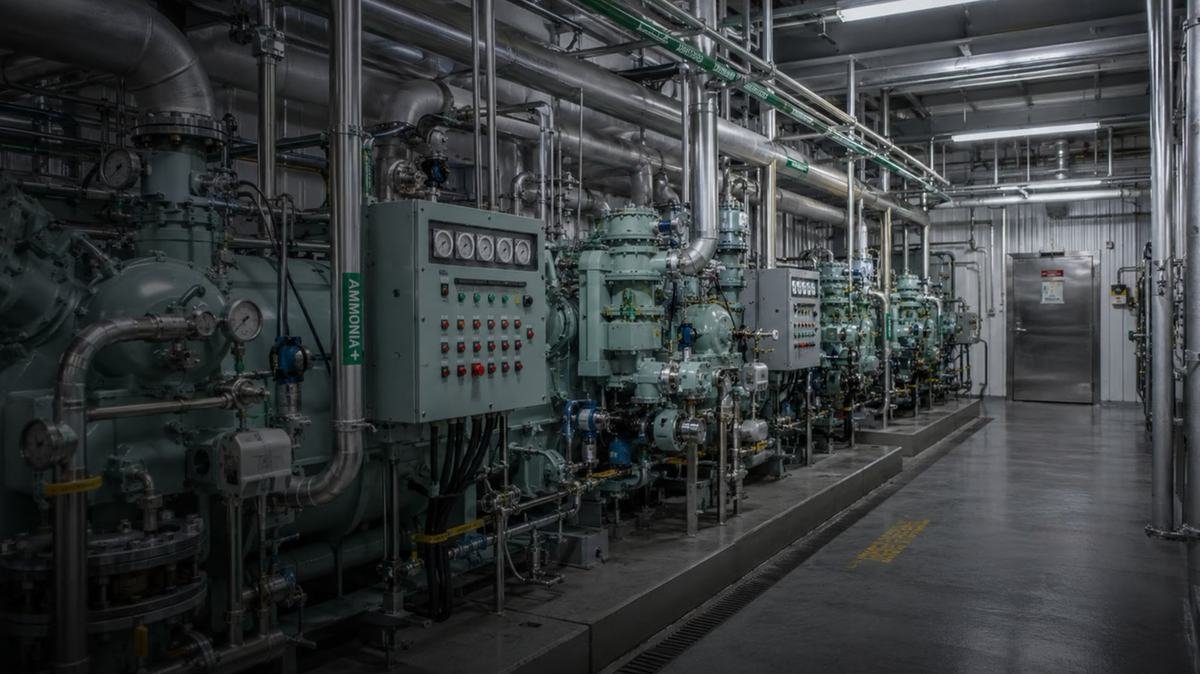
Industrial refrigeration compressor room

Meat and food processing

Cutting, fast freezing, curing and cured meats. Refrigeration takes most of the electrical consumption and steam most of the thermal, with CIP cleaning as the hidden load that is almost never metered separately.

  • Refrigeration: NH₃ compressors, cold rooms at −25 °C and 0 °C with very different demands.
  • Steam and CIP: boilers holding temperature between cleans, outside duty cycles.
  • Defrost: on demand rather than on a timer, without touching the cold chain.
  • Framework: EN 378 and F-Gas Regulation on any measure affecting the refrigeration plant.
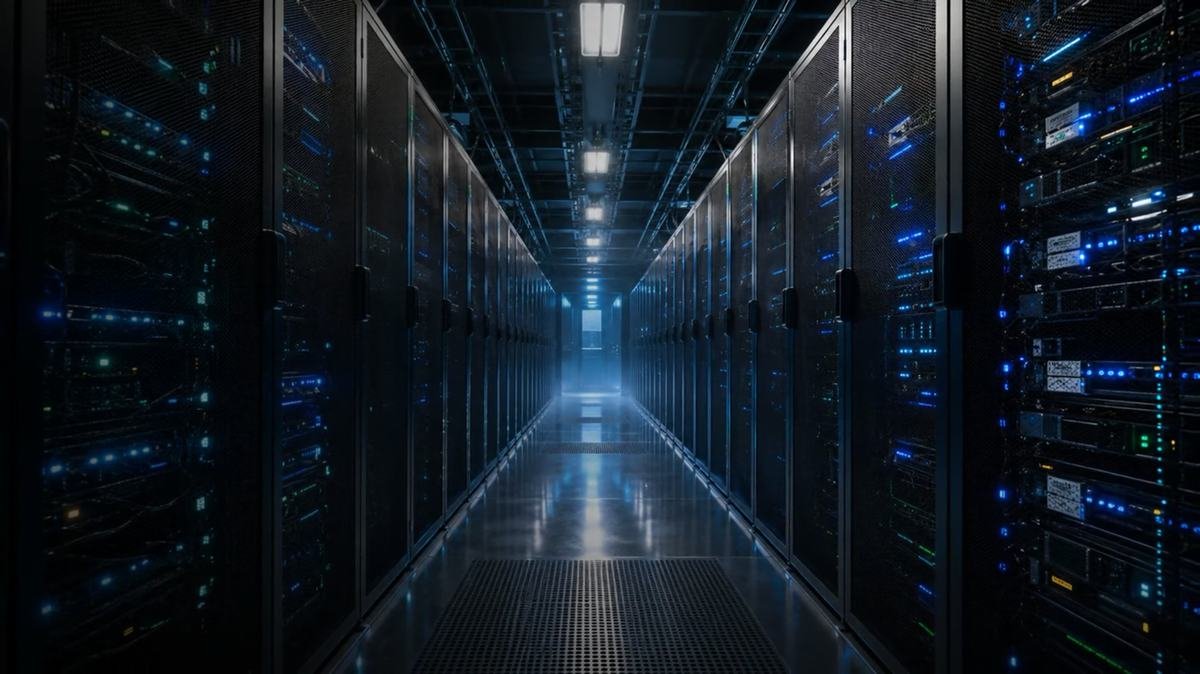
Rack aisle in a data center

Enterprise data centers

Chilled-water white rooms. The load is stable and predictable, so the margin almost never sits in IT power but in setpoints and in how the air is managed.

  • Setpoints: many rooms run well below the ASHRAE TC 9.9 envelope.
  • Air: recirculation and bypass — cold air returning without passing the rack is paid for twice.
  • Free cooling: theoretical site hours against hours actually switched.
  • Electrical: harmonics and unbalance at the UPS input, against IEEE 519.
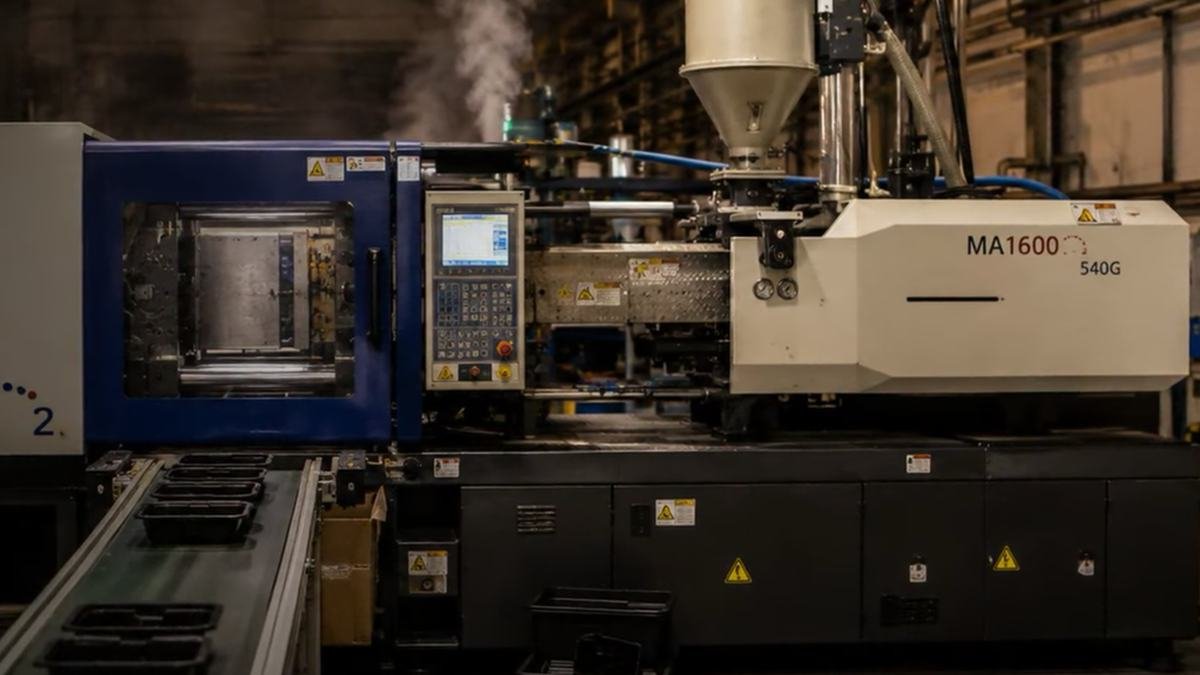
Plastic injection moulding machine on the shop floor

Plastics and basic chemicals

Injection and extrusion with 5-50 kW motors, mould cooling, ovens and dryers. Compressed air and the thermal cycle concentrate almost all of the operational margin.

  • Compressed air: specific power and setpoint pressure, the most profitable lever.
  • Leaks: with production stopped, everything the compressor delivers is a leak.
  • Mould: overcooling lengthens the cycle and costs twice over.
  • Motors: oversized, with a collapsed power factor and a reactive surcharge.
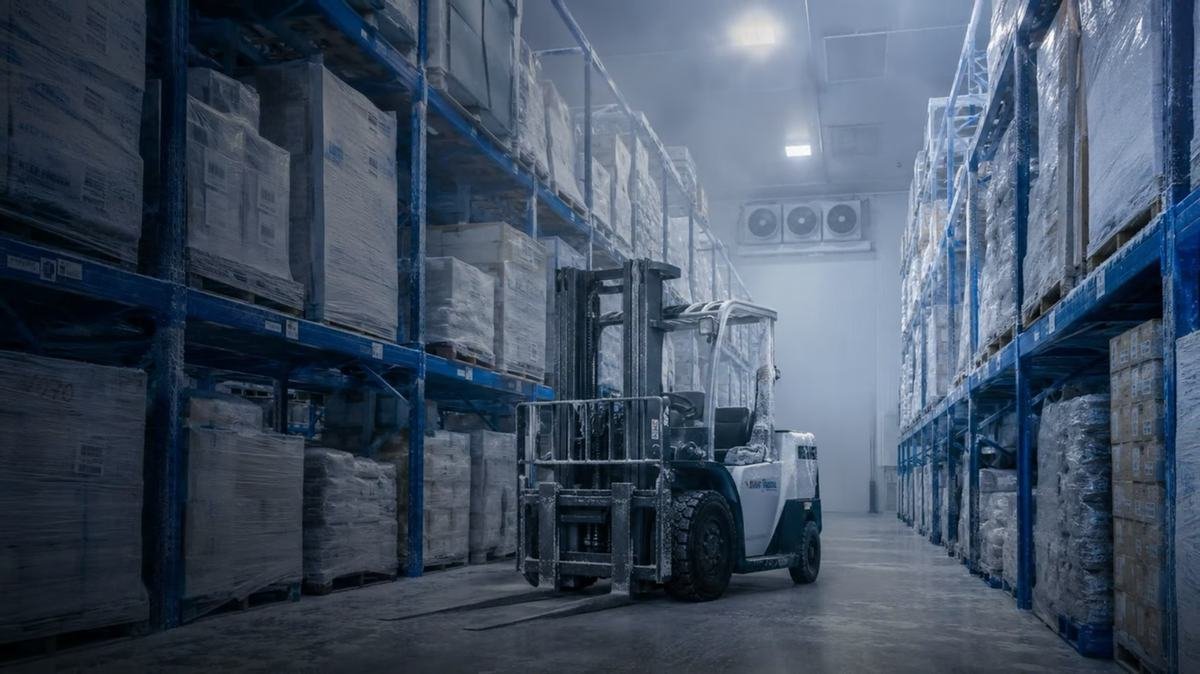
Refrigerated warehouse with a forklift and racking

Industrial refrigeration and logistics

Chilled and frozen rooms, blast freezing tunnels and docks. Consumption is almost entirely electrical, with cold-chain integrity as a non-negotiable constraint in the model.

  • Per-zone setpoints: rooms several degrees below what the product requires.
  • Infiltration: dock load can rival the process load.
  • Defrost: governed by differential pressure rather than by timer.
  • Traceability: no measure may degrade temperature logging.
Where you start

Two starting points, the same destination.

We are often asked whether a plant has to be instrumented to work with us. It does not. The only thing that changes with the starting point is the calendar of the first few weeks.

Direct start

If exportable history already exists, we install nothing to begin.

  • A SCADA or historian with twelve months of data, even if incomplete.
  • Meters on main lines or main consumption centres.
  • Optimising setpoints, sequences and schedules: results within weeks.
  • Adjusting contracted power and correcting reactive energy.
  • Compressed air leak detection through a shutdown test.

With a measurement layer first

If the plant does not measure yet, we instrument it and carry on.

  • Designing the minimum sensing needed to model your process, without over-instrumenting.
  • Installation by certified installers and zero production downtime.
  • Fixed quote up front, with no surprises mid-project.
  • Baseline built from the first day of measurement.
  • Eligible for PERTE and CAE schemes, which often cover part of the investment.

We work with plants that have run a digital twin for years and with plants whose only data is the monthly invoice. The second is not the worse client: it simply starts a little earlier in the process.

Your sector isn't listed

Pulp and paper, brewing, ceramics, automotive, pharmaceutical.

The methodology does not depend on the sector, only on there being an intensive process behind it. Tell us what you operate and we will tell you frankly what can be done.

(+34) 648 25 17 07