From the data your plant already produces to a saving that can be audited.
Your site does not need to be digitalised to start. We work with whatever exists — a full historian, a couple of meters, or nothing at all — and fill in the rest. What never changes is the ending: a saving measured with a method any third party can reproduce.
Starting point
Wherever you are today, there is a way in.
Some plants have a ten-year historian; others have nothing but a monthly invoice. Both are our clients and both end up in the same place. All that changes is how long it takes to stand the model up.
- If you already measure: we start from your historian and have the model calibrated within weeks, installing nothing.
- If you measure a little: we add sensing only where it is missing, in parallel with the control, without stopping production.
- If you measure nothing: we design the full measurement layer and install it with certified installers.
We speak your control room's language.
We connect to the estate you already run, whatever the brand and however old it is. Without changing your automation and without locking you into a proprietary ecosystem.
- Automation
- Modbus RTU / TCP · OPC-UA
OPC-UA under IEC 62541 where the estate supports it, with certificates. Modbus for long-standing field instrumentation.
- Building and climate
- BACnet/IP
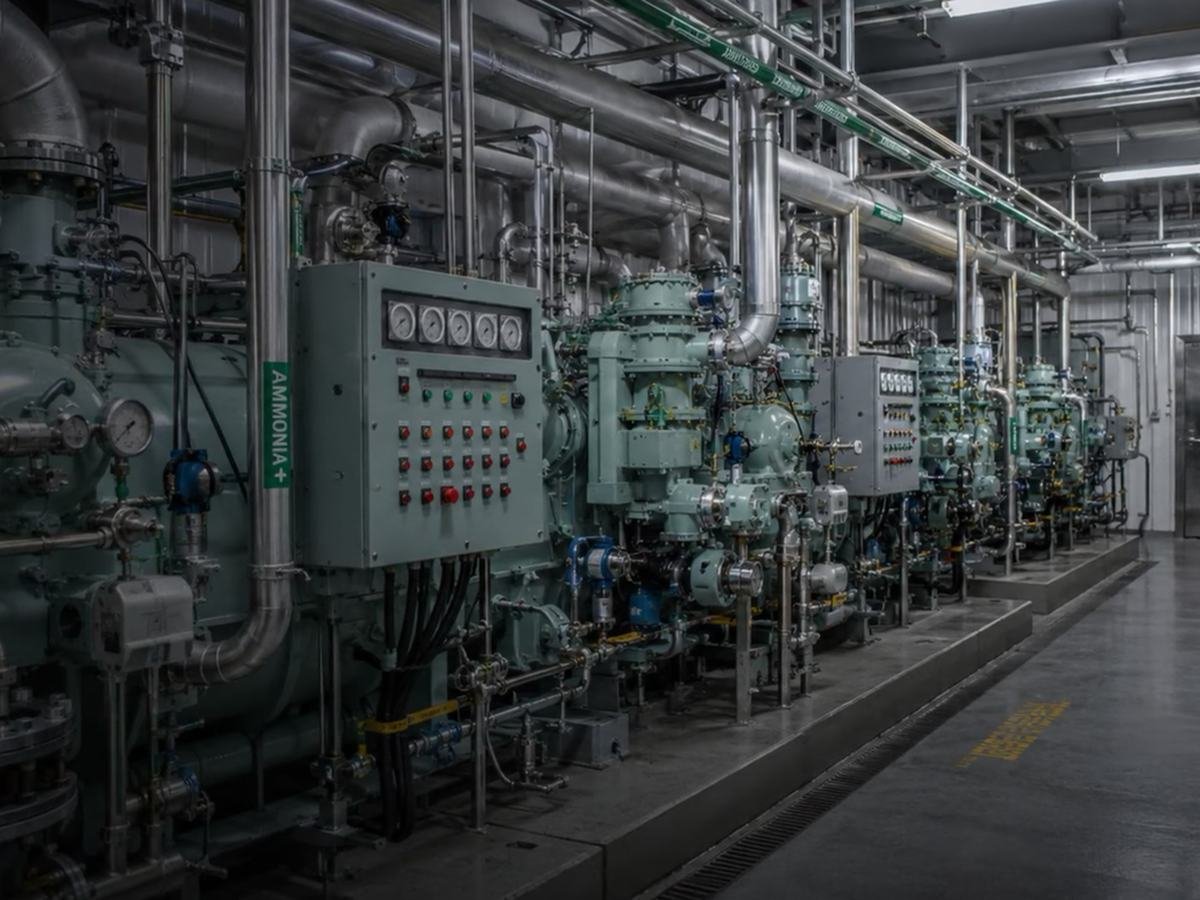
Reading the building management system in white rooms, process HVAC and cold stores.
- Electrical
- IEC 61850 · DLMS/COSEM
Client substation and fiscal meters, so that the model and the invoice refer to the same data.
- Telemetry
- MQTT · Sparkplug B
Self-describing topology with local buffering at the gateway: if the link drops, no history is lost.
And we record it with real traceability.
- Sampling
- 1 s electrical · 1 min process
Electrical transients demand one-second resolution. Thermal processes have time constants of minutes and do not.
- Aggregation
- 15 minutes
Aligned with the billing period, so nothing has to be reconciled by hand afterwards.
- Timestamping
- At source, in UTC, synchronised
Stamped at the device, not on arrival. Without this, any correlation between signals is contaminated by network latency.
- Tagging
- Project Haystack · Brick
Every point knows which equipment it belongs to and what quantity it is. That is what lets the analysis be reused at your second plant.
The model
A digital twin that predicts, rather than decorates.
Most industrial digital twins are descriptive: they show what is happening. Ours is calibrated against twelve months of your own operation until it reproduces your plant within tolerance, and from there it serves what actually matters — anticipating what would happen if you operated differently.
We combine process physics with learning from your real data, and every proposal then passes through engineering review. Automation proposes; a person validates.
A saving is not what you stop spending. It is what you would have spent, minus what you spend.
That distinction is the whole point of the IPMVP protocol, and it is what separates a real saving from a coincidence. If you cut production by 10 %, your bill falls on its own: that is not efficiency and we do not bill it as such.
- Protocol
- IPMVP Option C
Verification against the whole-facility bill, with a twelve-month baseline agreed in writing before we start.
- Routine adjustments
- Weather and production
A hard winter or a seasonal peak counts as neither saving nor loss: the model discounts them automatically.
- Non-routine adjustments
- Declared one by one
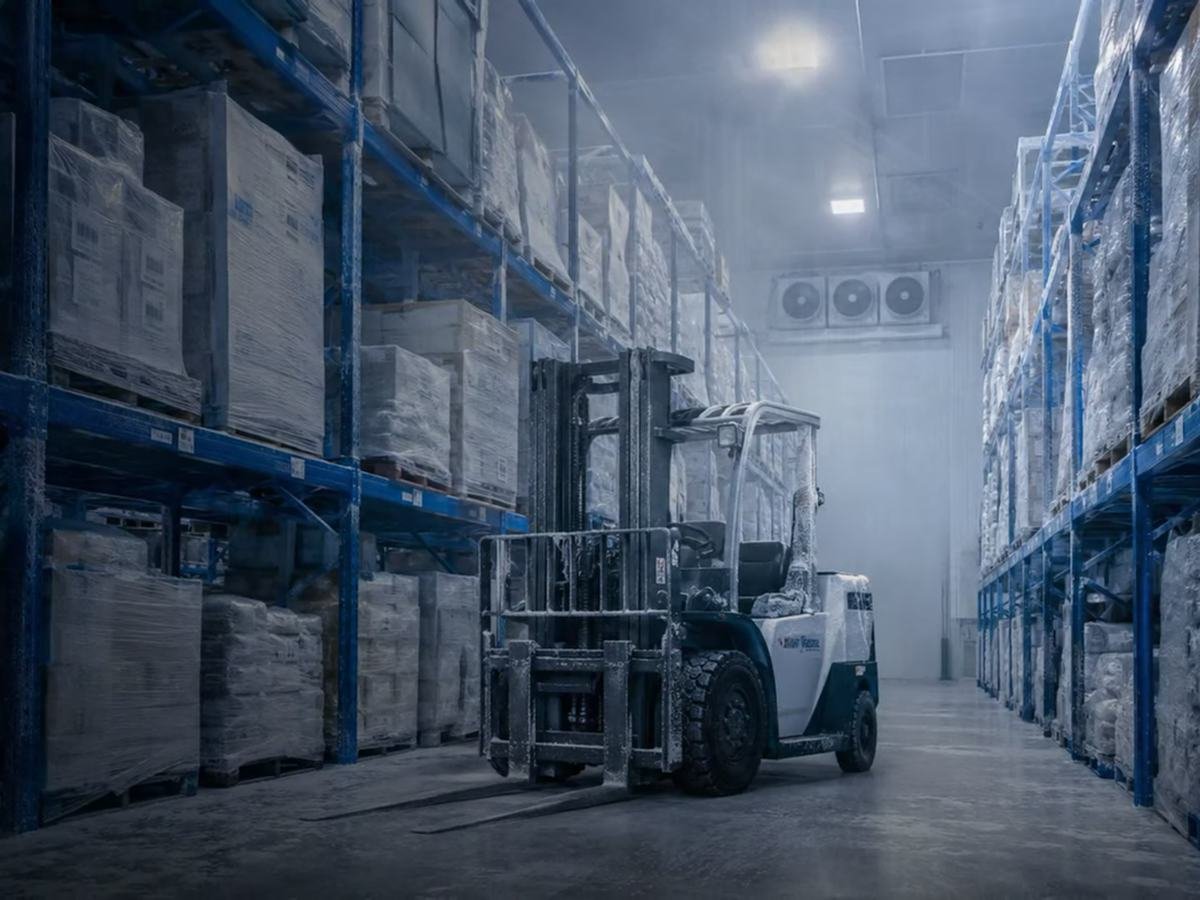
A new line, an extra shift, an extended cold store. Every structural change is documented and quantified separately.
- Who verifies
- Your team, if you want
Verification can be done by your own technical department, with recourse to an independent third party in case of disagreement.
We read. We never write.
The first question any systems manager asks is what happens to their plant's data, and it is the right question. Our access is read-only, over a segregated network with no route towards the SCADA: the platform could not change a setpoint even if it wanted to, because the path does not exist. Production data is hosted and processed inside the European Union, development runs on environments with synthetic data, and ownership is yours at all times, with a perpetual licence to the model and no lock-in. All of it is covered by a mutual NDA, a location and sub-processor annex, Spanish law and jurisdiction, and professional indemnity insurance, signed before the first transfer.
Nothing we do is a black box you cannot check.
What is ours is the software and the way we operate it. The calculation and verification method is public, standardised and reproducible by any auditor. That is the guarantee that the savings we present hold up outside this website.
- ASHRAE Guideline 14-2023
- IPMVP Option C · EVO 10000-1
- ISO 50001:2018
- ISO 50015 · ISO 17741
- UNE-EN 16247-1/3
- Spanish RD 56/2016
- Spanish RD 36/2023 · CAE
- IEC 61000-4-30
- EN 50160 · IEEE 519
- ASHRAE TC 9.9
- EN 378 · F-Gas Regulation
- IEC 62443 · IEC 62541
What we bring and what stays on your side.
We bring
At no cost until savings are verified.
- The complete analysis of the first ten weeks.
- Designing the measurement layer and installing it with certified partners.
- Calibrating the model until it meets the ASHRAE G14 tolerances.
- Filing CAE certificates and drafting PERTE applications.
- Defending the report technically before an external auditor.
Stays on your side
With our technical support throughout.
- The decision to implement each measure, which is always yours.
- Investment in equipment, where a measure requires it.
- Physically executing the mechanical and electrical works.
- Day-to-day operation of your SCADA, which we do not touch.
- Read access to the historian, so that we can begin.
Next step
Want to see this applied to your plant?
You send us twelve months of electricity and gas invoices. Within five business days we tell you which levers fit your process and which don't, with the technical reasoning behind each one.
(+34) 648 25 17 07